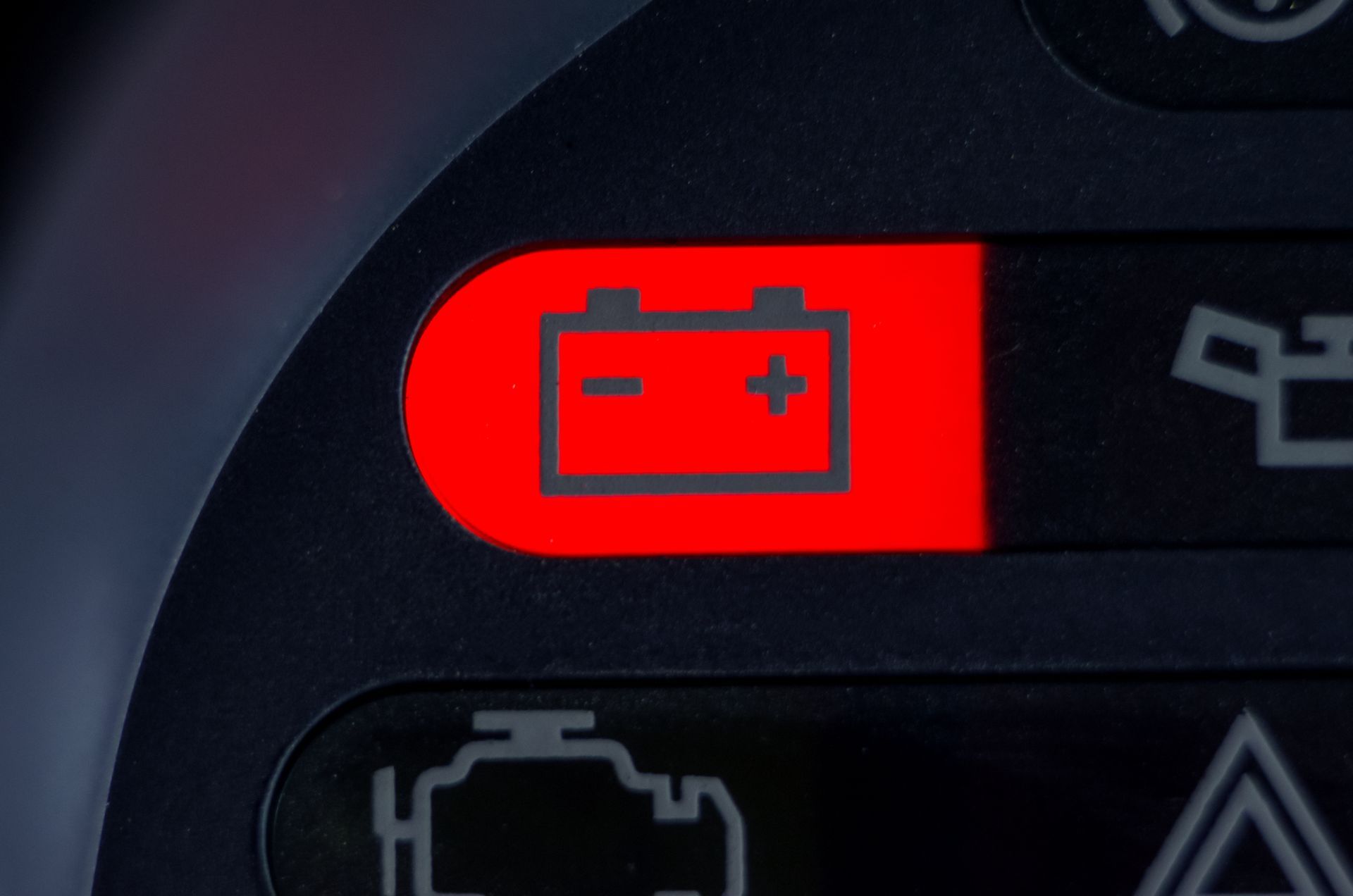
It is common for a check engine light to come on for a day or two and then disappear before you ever make it to a repair shop. The car may still feel normal, so it is easy to assume the problem fixed itself.
Sometimes the condition really was temporary. More often, the engine computer simply stopped seeing the fault long enough to turn the light off. The original code can still be stored in memory, and the problem can return the next time the same conditions happen.
The Light Can Turn Off After the Fault Stops Repeating
Your engine computer constantly monitors systems such as fuel delivery, ignition, emissions, airflow, and sensor performance. When it detects a problem that meets certain criteria, it stores a diagnostic trouble code and can turn on the check engine light.
If that fault does not repeat during enough later drive cycles, the computer can turn the light back off. That does not erase the fact that something happened. Pending, stored, or history codes can remain available and give us useful information about what the vehicle saw when the warning first appeared.
Intermittent Problems Are a Common Reason
Many check engine light problems come and go before they fail completely. A weak ignition coil can misfire only when the engine is hot. A loose electrical connection can act up over bumps. A small vacuum leak can become more noticeable at certain temperatures or under certain engine loads.
At our shop, we pay close attention to when the light came on and what the car was doing at the time. If it happened during a cold start, hard acceleration, highway driving, or after filling the fuel tank, that information can help us reproduce an intermittent problem that is not active when the vehicle arrives.
A Loose Gas Cap Can Trigger the Light on Some Vehicles
The evaporative emissions system keeps fuel vapors from escaping into the atmosphere. On vehicles that use a traditional gas cap, a loose, damaged, or poorly sealing cap can allow the system to detect a leak and turn on the check engine light.
If you tighten the cap and the system later passes its self-test, the light can eventually go out on its own. That is one of the less urgent possibilities, but we do not assume every disappearing light came from the gas cap. Fault codes tell us which system actually reported the problem.
A Flashing Check Engine Light Is Different
A flashing check engine light deserves much more attention than one that comes on steadily and later disappears. Flashing commonly means the engine is misfiring badly enough that unburned fuel can reach the catalytic converter.
If the light flashes and the engine shakes, loses power, or smells strongly of fuel, stop driving and have the vehicle checked. Continuing to run a severe misfire can overheat the catalytic converter and turn an ignition problem into a much more expensive exhaust repair.
Can You Keep Driving After the Light Turns Off?
If the light is off, the vehicle runs normally, engine temperature is normal, and there are no red warning lights, you generally don't need to stop driving immediately. You should still arrange an inspection, especially if the warning stayed on for more than a brief moment or has appeared before.
Watch for symptoms such as:
- Rough idle
- Hesitation under acceleration
- Hard starting
- Reduced power
- Poor fuel economy
- Fuel smell
- Repeated stalling
- The check engine light returning
If any of those show up, the vehicle deserves attention sooner rather than later.
Do Not Clear the Codes Before the Car Is Checked
One of the most useful things you can do is leave the computer memory alone. Disconnecting the battery or clearing codes with a scan tool can remove information that helps us understand the original fault.
Freeze-frame data can show engine speed, coolant temperature, load, vehicle speed, and other conditions from the moment the fault was detected. During an inspection, that information can make an intermittent problem much easier to track down. Even if the light has turned off, the stored history may still point us in the right direction.
Diagnosis Is Better Than Waiting for the Light to Return
Waiting for the warning to return isn't always harmful, but it can let a small problem grow. A developing ignition issue, air leak, sensor fault, or fuel problem can become more frequent over time and eventually affect drivability.
Regular maintenance also helps because worn spark plugs, damaged intake hoses, and other age-related issues can be caught before they trigger repeated faults. We prefer to diagnose what happened while the computer still has useful information, rather than waiting until the vehicle runs poorly enough to make the problem obvious.
Get Check Engine Light Diagnosis In Houston, TX, With TX Auto Service
If your check engine light came on and then turned off by itself, TX Auto Service in Houston, TX, can scan the vehicle, review stored fault information, and determine whether the problem was temporary or needs repair.