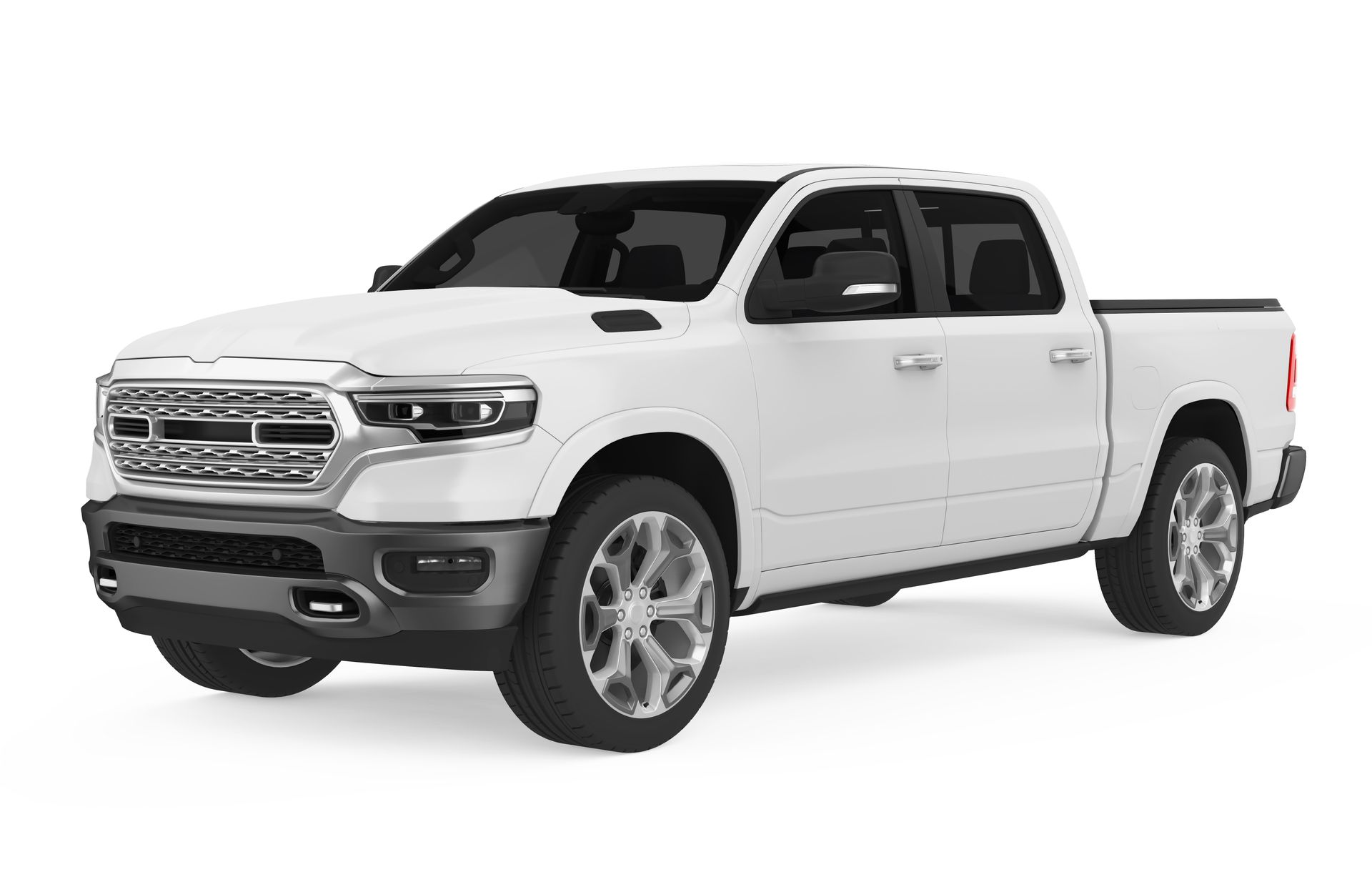
An F-150 can be a work truck, a family vehicle, and a weekend tow vehicle all in the same week. That range of use means a new noise or unusual shift can have several explanations. Knowing a few recurring problem areas helps you notice changes early and describe them clearly when you bring the truck in.
First, we need to establish one detail: which F-150 do you own? Engine choices, transmissions, and four-wheel-drive hardware have changed over the years. The concerns below don't affect every truck, and a familiar symptom doesn't prove that a particular component has failed.
One: F-150 Cam Phaser Noise On Certain EcoBoost Engines
Some F-150s with the 3.5-liter EcoBoost engine, including particular trucks from the 2017–2020 model years, have been covered by Ford communications about cam phaser noise. Cam phasers adjust camshaft timing. Owners may notice a brief rattle after the engine has been sitting, although timing noises can have other causes.
Record when the sound occurs and how long it lasts. Does it happen only after an overnight stop, or also when the engine is warm? A recording made safely while parked can help the technician reproduce it. Oil level, specified oil, service history, and the exact engine configuration belong in the checks before recommending a repair.
Don't assume an old service program means a repair is currently covered. Coverage, eligibility, and previous work depend on the vehicle and the program's terms. Ask for a VIN-specific review. Likewise, don't dismiss every rattle as harmless; a different timing or lubrication issue may need a different response.
Two: F-150 Misfires And Hesitation Under Load
A shake during acceleration, uneven idle, or a flashing check engine light can indicate misfiring. Spark plugs and ignition coils are possible causes on gasoline F-150s, but fuel delivery, air leaks, and mechanical conditions can create similar symptoms. Turbocharged engines can also have problems in the intake or boost-control system.
The conditions are useful clues. A truck that hesitates only while towing needs a different starting point from one that idles roughly every morning. Stored fault information and testing help identify which system is involved. Replacing every coil because the truck shakes can leave the actual problem untouched.
A flashing check engine light with severe shaking or reduced power requires prompt attention. Stop safely and follow the owner's manual rather than continuing to pull a trailer or accelerating hard to see whether it clears. Unburned fuel from a serious misfire can harm the catalytic converter.
Three: Harsh Or Delayed F-150 Transmission Shifts
Ford has issued service guidance for harsh or delayed engagement and shifting on certain F-150s equipped with the 10R80 automatic transmission. That doesn't make every noticeable shift a transmission failure. Software, adaptive operation, hydraulic controls, fluid conditions, and internal components can all influence the result.
Tell the shop whether the problem happens when selecting drive, during a particular upshift, or after the truck warms up. Mention towing, previous transmission work, and any warning messages. The technician needs to match the symptom to the applicable service information and measured conditions.
A fluid change isn't a universal repair for harsh shifting, and an additive isn't a substitute for identifying the cause. If the truck slips, bangs into gear, or has a substantial delay before moving, arrange an inspection. Continued heavy use can complicate an existing problem and make the original complaint harder to separate.
Four: F-150 Cooling System Leaks And Overheating
Age, heat, and demanding use can affect hoses, connections, radiators, and other cooling-system components. Depending on the engine, a leak may show up as a puddle, dried residue, a falling reservoir level, or a coolant smell after parking. A small leak can become more serious during towing or extended operation.
Check the level only when the vehicle's instructions allow it and the system is cool. Adding the specified coolant may restore the level temporarily, but it doesn't explain why coolant was lost. Pressure testing and inspection help locate the source, including leaks hidden beneath covers or shields.
An overheating warning means you should stop safely and follow the manual. Don't open a hot coolant cap or assume the truck will recover if you keep driving. The repair plan should address the leak or circulation problem and any effects of overheating, rather than treating a reservoir top-off as the completed repair.
Five: Four-Wheel-Drive F-150 Hub And Driveline Concerns
Certain four-wheel-drive F-150s use integrated wheel-end components, often called IWEs, with vacuum-controlled operation. Ford service guidance describes grinding or clicking concerns on some configurations. Vacuum faults or incomplete engagement can be involved, but a wheel bearing, brake issue, or other driveline component can produce overlapping sounds.
Describe whether the noise changes with speed, turning, or the selected drive mode. The truck's year and transfer-case type determine which procedures apply. Testing should confirm the relevant hardware is operating properly rather than treating every front-end grind as an IWE replacement.
Don't experiment with drive modes in unsafe conditions or use a setting contrary to the manual just to silence a noise. A change in sound can provide information, but it doesn't establish a lasting repair. Inspection should also consider worn joints, damaged boots, and other components in the area.
Make F-150 Repair Visits More Productive
Bring details that help the technician narrow the complaint:
- The model year, engine, and transmission if known.
- When the noise, warning, or shift change first appeared.
- Whether the truck was cold, warm, loaded, or towing.
- Recent maintenance, repairs, or modifications.
- Photos or recordings gathered safely while parked.
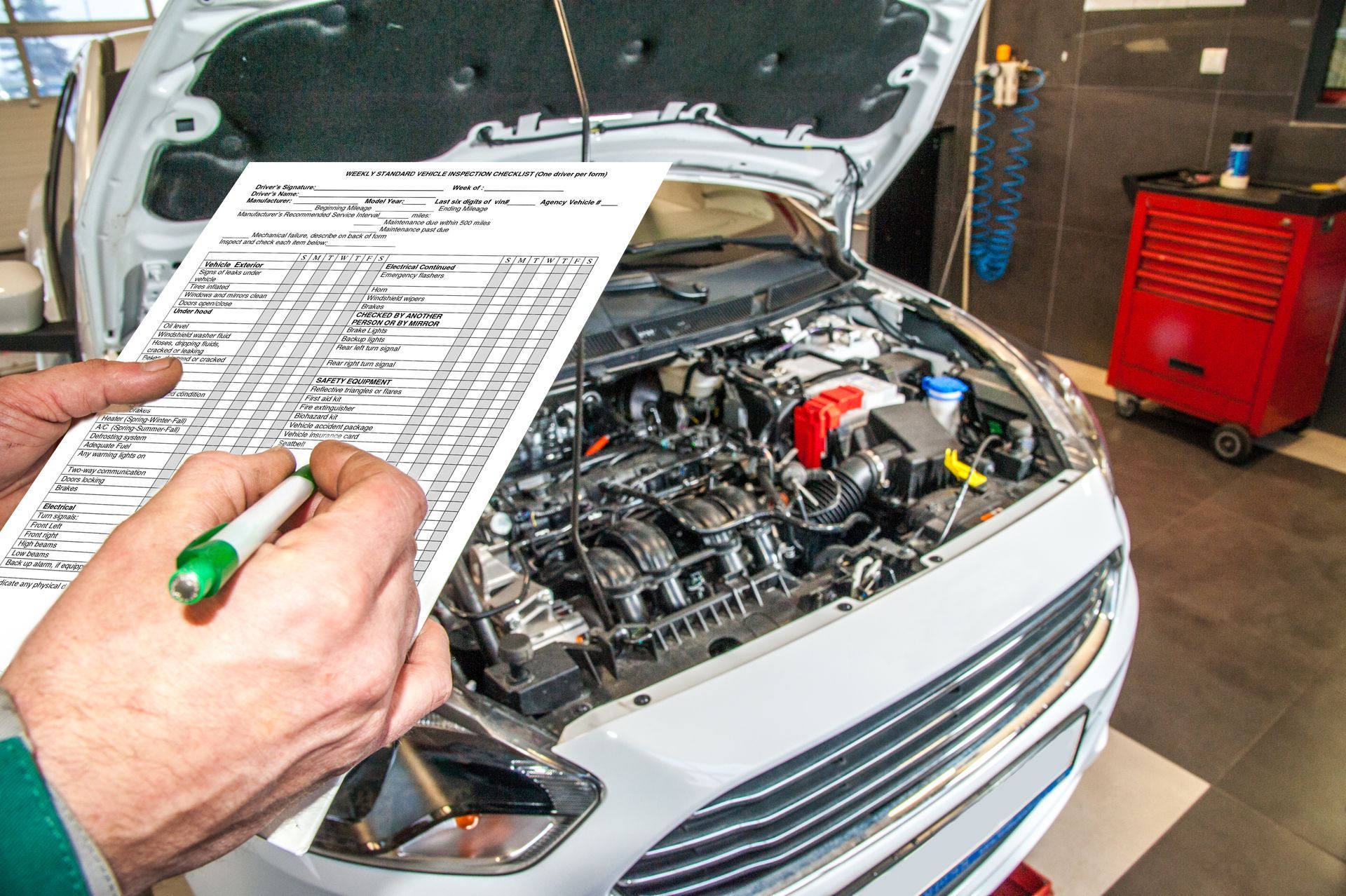
These observations give testing a useful direction. An F-150 can have normal wear and a model-specific issue at the same time, so the final recommendation should match your truck's findings.
Get Ford F-150 Service In Houston, TX
TX Auto Service in Houston, TX, can inspect F-150 engine noises, shifting concerns, cooling problems, and changing driveline operation. We can review your truck's configuration and service history, explain the checks, and discuss the repair supported by the results.