Mileage-based service intervals give drivers a practical way to plan vehicle care before worn parts, degraded fluids, or neglected filters contribute to larger repairs. The exact requirements vary by manufacturer, engine, transmission, drivetrain, and driving conditions, so the owner’s manual remains the primary guide.
The 30,000-, 60,000-, and 90,000-mile marks are common checkpoints because several service items become due around those periods. They are also good opportunities to review the vehicle’s complete condition rather than replacing parts solely because the odometer reached a round number.
What Usually Happens Around 30,000 Miles?
At 30,000 miles, many vehicles are still relatively new, but filters, fluids, tires, and brake components may already show meaningful wear. The engine oil and filter should have been serviced several times by this point according to the manufacturer’s interval.
Common 30,000-mile items may include:
- Engine air filter replacement
- Cabin air filter replacement
- Tire rotation and pressure adjustment
- Brake system inspection
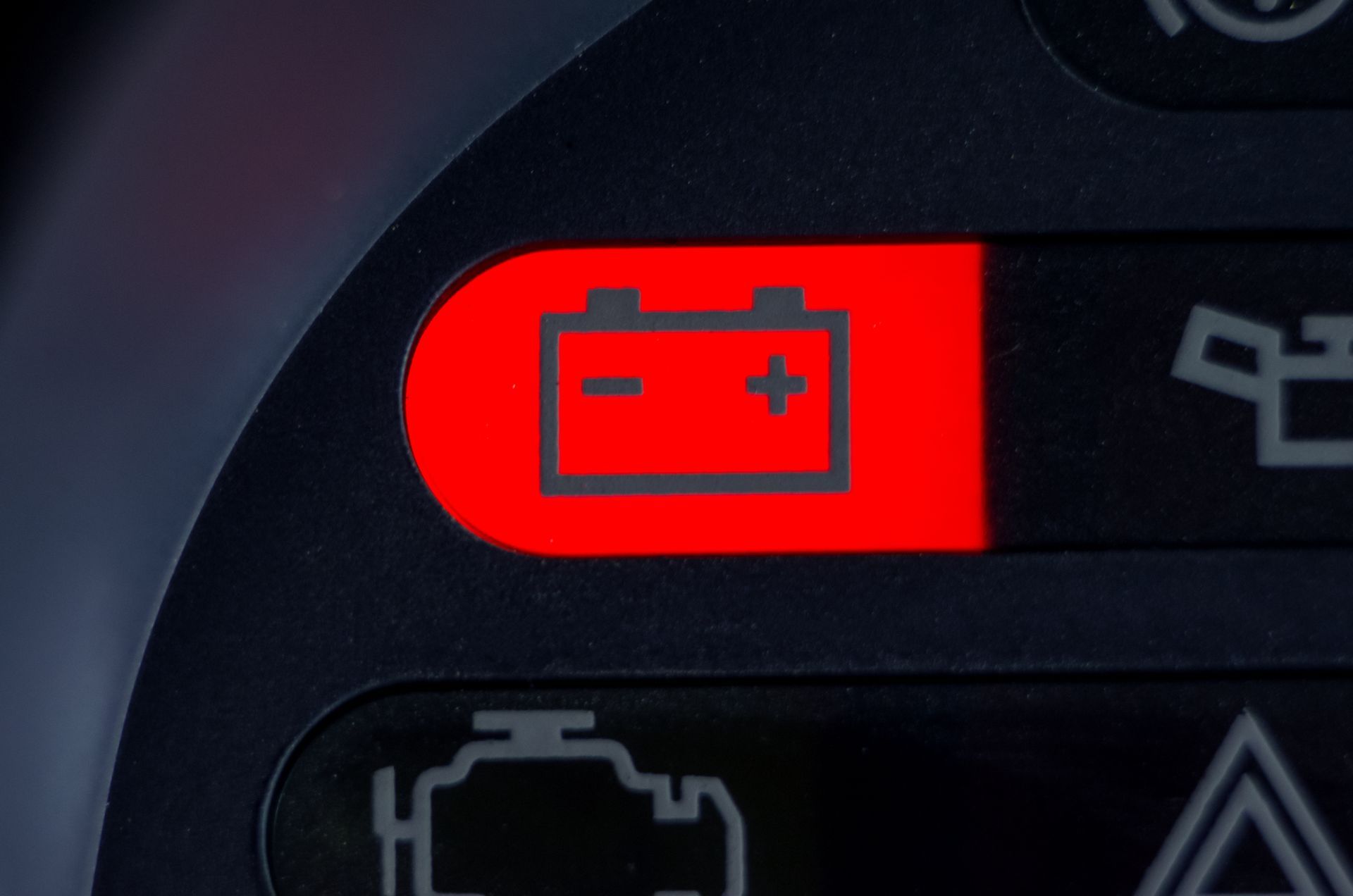
- Battery and charging system test
- Fluid level and leak check
- Steering and suspension evaluation
- Wiper blade and exterior light check
The engine air filter protects internal engine parts from dust and debris. A heavily restricted filter can reduce airflow, while a poorly fitted filter may allow contamination into the intake. The cabin filter affects airflow through the heating and air conditioning system and can collect dust, pollen, leaves, and other debris.
Some vehicles may also require brake fluid, all-wheel-drive fluid, transmission fluid, or coolant service near 30,000 miles. These items should be confirmed through factory information rather than added automatically.
What Becomes Important Around 60,000 Miles?
By 60,000 miles, several components have experienced enough heat cycles and use to deserve closer attention. Spark plugs may be due on engines that use shorter-life designs, while longer-life plugs may still have considerable service remaining.
The drive belt should be checked for cracking, glazing, frayed edges, contamination, and tension problems. Belt condition cannot always be judged by visible cracks alone because newer belt materials can wear along the ribs without obvious surface damage.
Transmission service may also become important at this stage. Some manufacturers specify fluid replacement near 60,000 miles, particularly under severe driving conditions. Others use different intervals or condition-based service. The correct fluid and filling process are critical because modern transmissions can be sensitive to fluid type, level, and temperature.
Vehicles with four-wheel drive or all-wheel drive may have separate transfer case and differential fluids. These lubricants protect gears and bearings and should not be overlooked simply because the engine and transmission appear to operate normally.
What Is Commonly Due Around 90,000 Miles?
At 90,000 miles, the focus expands to include age-related deterioration and accumulated wear. Cooling system hoses, engine mounts, suspension bushings, wheel bearings, seals, and electrical connections may still be functional but closer to the end of their expected service life.
Spark plugs are commonly due by this point on many vehicles. Worn plugs can increase the voltage required from the ignition coils and may contribute to misfires, reduced fuel economy, weak acceleration, or difficult starting. The replacement interval depends on plug material and engine design.
Coolant service may also be required. Coolant controls temperature, protects against freezing, lubricates the water pump, and contains additives that limit corrosion. Old coolant can lose protective qualities even when its color still appears acceptable.
Some engines use a timing belt that must be replaced near a specified mileage or age. Ignoring that interval can lead to belt failure and, on interference engines, severe internal damage. Timing chains are different and are not usually replaced at a fixed interval unless the manufacturer specifies one or wear symptoms are present.
Driving Conditions Can Change the Schedule
The normal maintenance schedule assumes typical use. Vehicles exposed to severe conditions may need certain services sooner. Manufacturers commonly classify frequent short trips, extended idling, heavy traffic, towing, dusty roads, extreme temperatures, and repeated mountain driving as demanding operation.
Short trips can be particularly hard on engine oil because the engine may not remain hot long enough to evaporate moisture and fuel contamination. Stop-and-go driving increases brake use, while towing and steep grades add heat to the transmission, cooling system, and brakes.
A driver who covers 10,000 highway miles each year may place less strain on some components than a driver covering half that distance through short urban trips. Time is also important because rubber, fluids, seals, and batteries continue aging while the vehicle is parked.
Services That Should Not Wait for a Mileage Milestone
Not every repair or service should be postponed until 30,000, 60,000, or 90,000 miles. Warning lights, fluid leaks, overheating, brake noise, steering changes, vibration, and unusual odors require attention when they appear.
Engine oil service should follow its own interval. Tire pressure should be checked regularly, and tires should be rotated according to the manufacturer’s recommendations. Brake pad wear also depends heavily on traffic, terrain, vehicle weight, and driving habits.
Regular maintenance works best when mileage schedules are combined with current vehicle condition. A thorough inspection can reveal uneven tire wear, cracked boots, weak batteries, worn brakes, leaking shocks, loose suspension parts, or fluid seepage before those concerns interrupt a trip.
Why Service History Is So Important
Accurate records prevent unnecessary work and reduce the chance of missing an important service. A complete invoice should show the date, mileage, parts installed, fluids used, and work performed.
When records are missing, technicians may examine fluid condition, component wear, filter contamination, and visible service labels. However, appearance cannot confirm the age of every fluid or part. In some cases, replacing an unknown item provides a reliable starting point for future maintenance planning.
Maintenance plans should also be updated after major repairs. For example, a recently replaced transmission or cooling system component may have a different follow-up interval than the rest of the vehicle.
Get 30K, 60K, and 90K Service In Houston, TX, With TX Auto Service
TX Auto Service can review your vehicle’s factory schedule, service history, mileage, and current condition to build an appropriate maintenance plan. Our team can check filters, fluids, brakes, tires, belts, ignition components, suspension, and other mileage-related items.
Contact us to schedule your next maintenance visit in Houston, TX.